Latest posts
-
Pollyanna and the Cult of Optimism
There are not many novels whose protagonist has been demoted to a common noun, and fewer still where the demotion counts as an insult. To call someone a…
-
The House of Mirth: Wharton’s Tragedy of Money
Lily Bart is twenty-nine years old, beautiful past the point of debate, and worth nothing. That is the situation Edith Wharton sets out in the opening…
-
The Age of Innocence: Wharton and the Cage of Society
Edith Wharton won the Pulitzer Prize for The Age of Innocence in 1921, the first woman to take it, and she won it for a novel set fifty years in the past,…
-
The Brontë Sisters: One Family, Seven Novels, and a Myth
Read on its own, Wuthering Heights looks like a book that fell out of the sky — a work of such concentrated strangeness that it seems to have no…
-
Cranford and the Comedy of Small-Town England
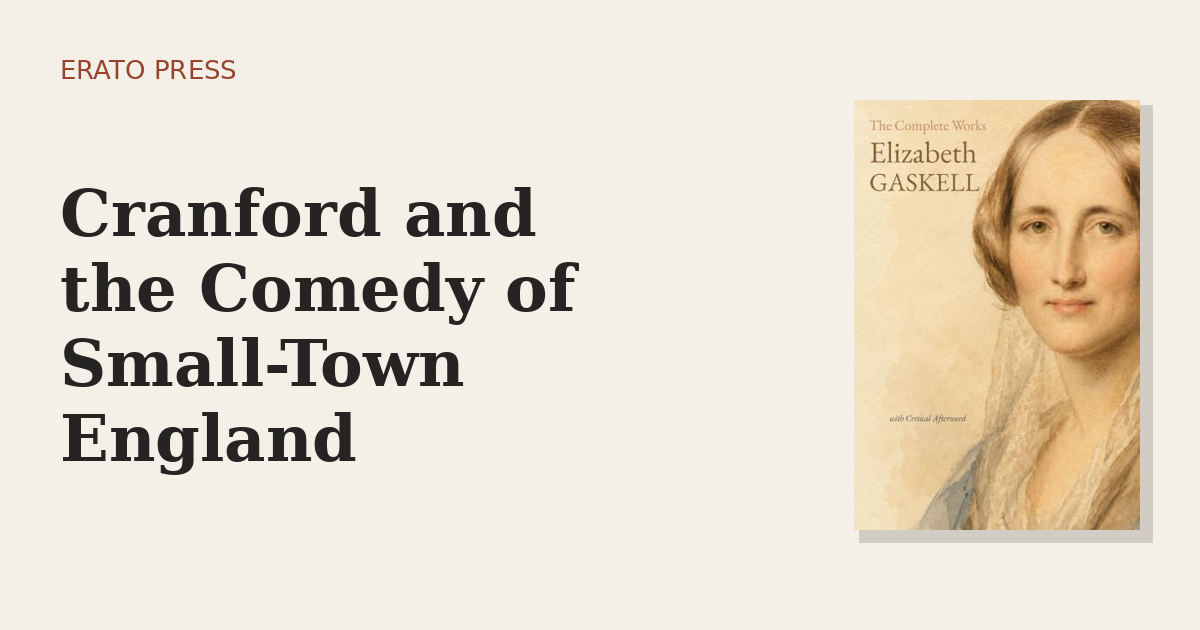
There is a moment early in Cranford when a cow, having tumbled into a lime-pit and lost most of her hair, is dressed by her devoted owner in a flannel…
-
The Tenant of Wildfell Hall: Anne Brontë, the Boldest Sister
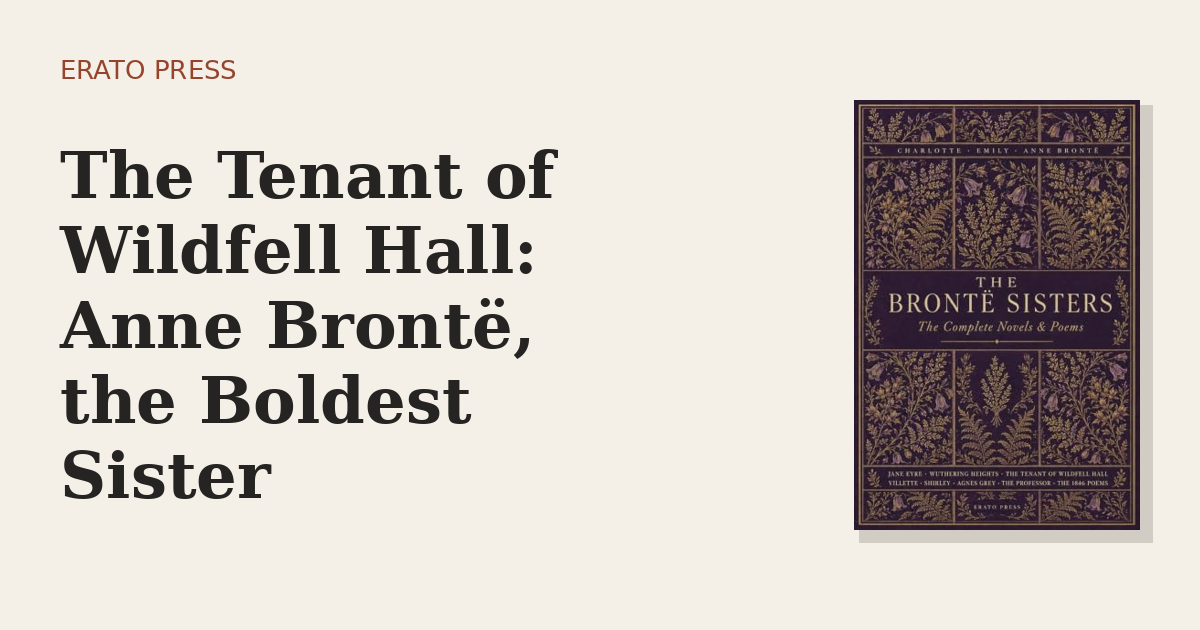
For a century and a half the verdict on Anne Brontë held firm: she was the quiet one, the lesser sister, the third Brontë who never quite reached the heat…
-
Anne of Green Gables: Why Montgomery’s Orphan Still Matters
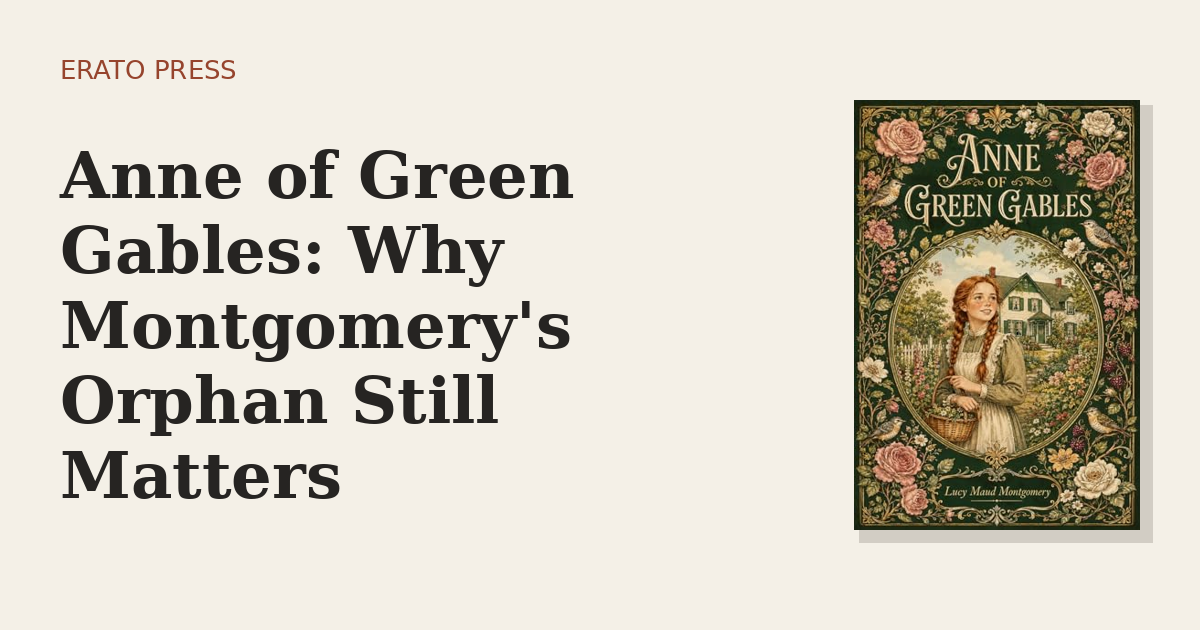
When Marilla and Matthew Cuthbert send to the orphan asylum for a boy to help work their Prince Edward Island farm, what arrives instead, in the spring of…
-
Elizabeth von Arnim and The Enchanted April: Wit, Comfort, Escape

There is a kind of book we reach for when we are tired in a way sleep does not fix, and The Enchanted April is one of the finest examples in English.…
-
The Invention of Jane Austen: How a Spinster Became a Global Brand
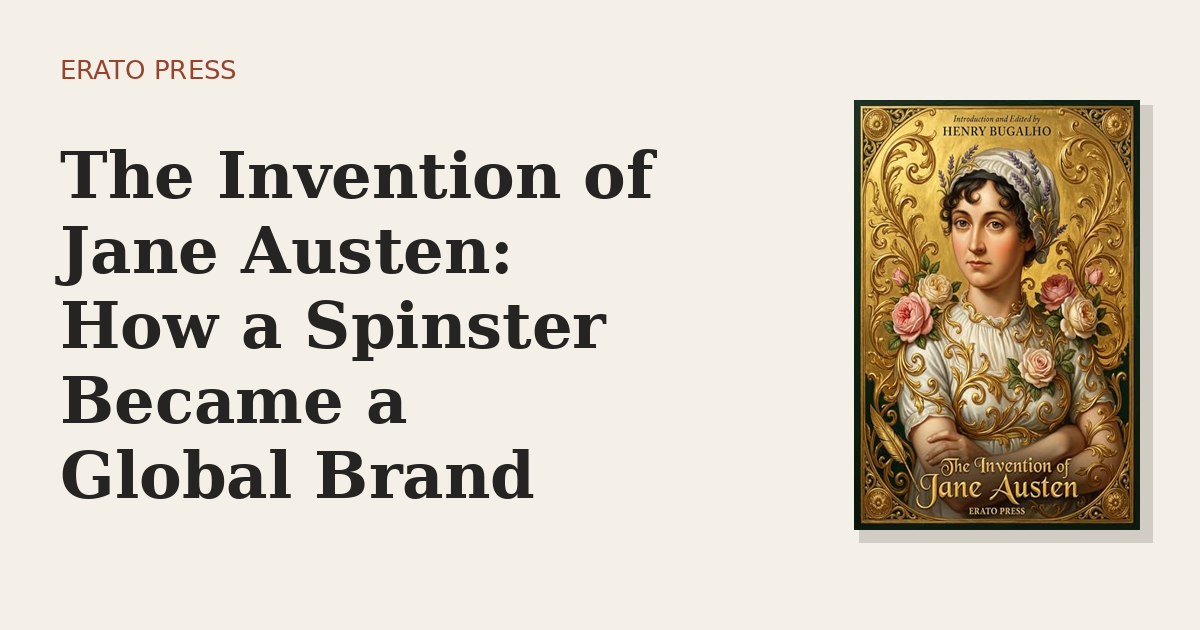
When Jane Austen died at Winchester in July 1817, at the age of forty-one, she was an unmarried woman of small means whose novels had been published…
-
Elizabeth Gaskell: The Novelist of the Industrial Age
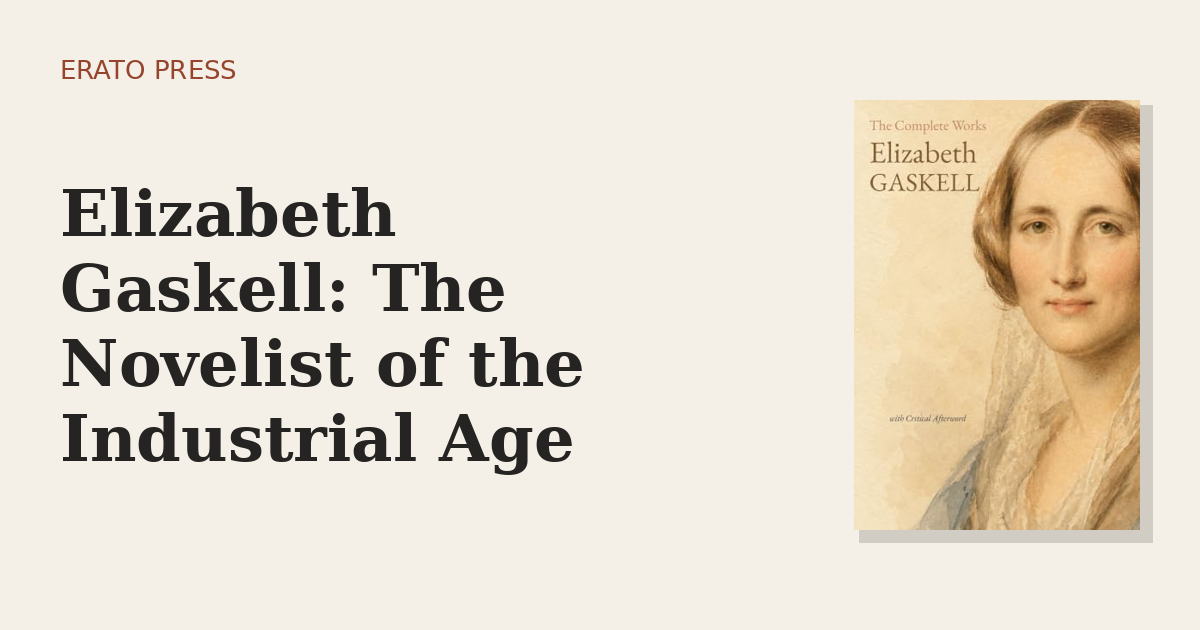
When Charles Dickens wanted a writer who could make the cotton mills of the north feel like a moral emergency rather than a statistical abstraction, he…