Latest posts
-
The Three Brothers Karamazov
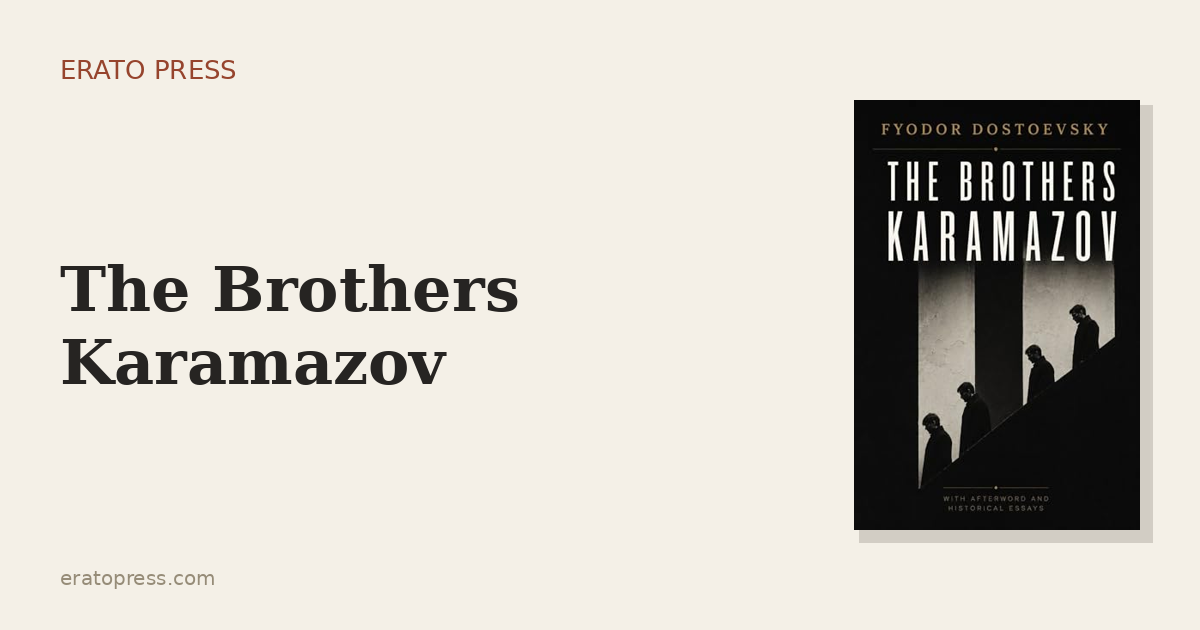
Three brothers, each one part of the human soul, and a murdered father who puts them all on trial. On the design of Dostoevsky’s last and greatest novel.
-
Dorothea’s Mistake: The Heart of Middlemarch
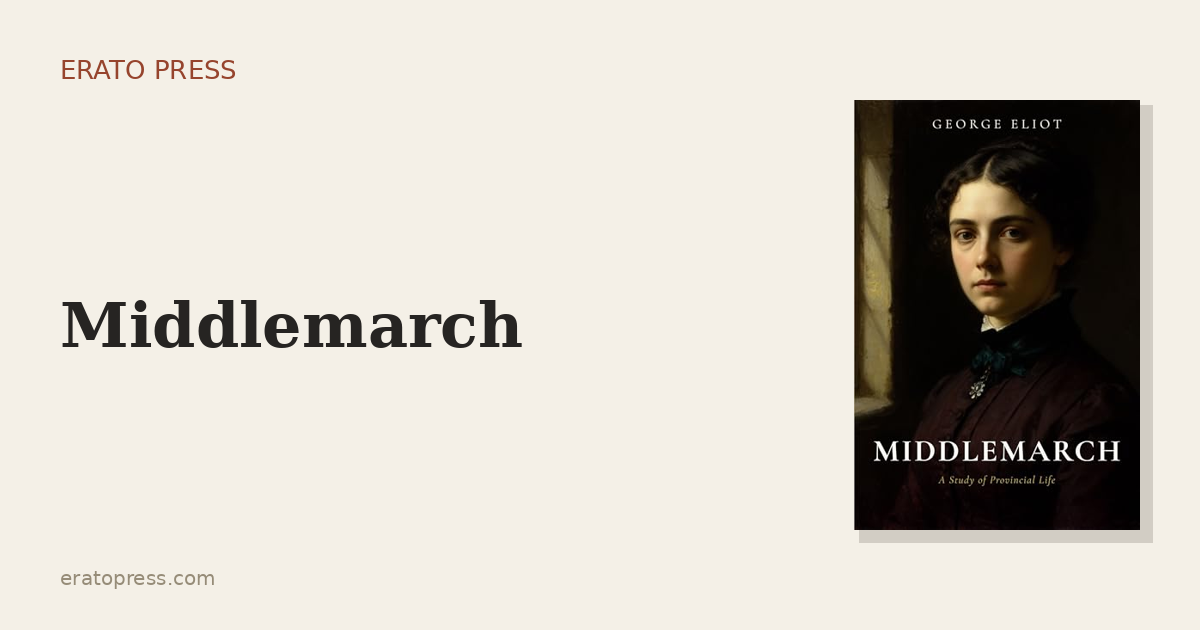
Its greatness begins with a mistake — the wrong marriage at its centre. On Dorothea, Casaubon, and why Middlemarch was written ‘for grown-up people.’
-
The Two Catherines of Wuthering Heights
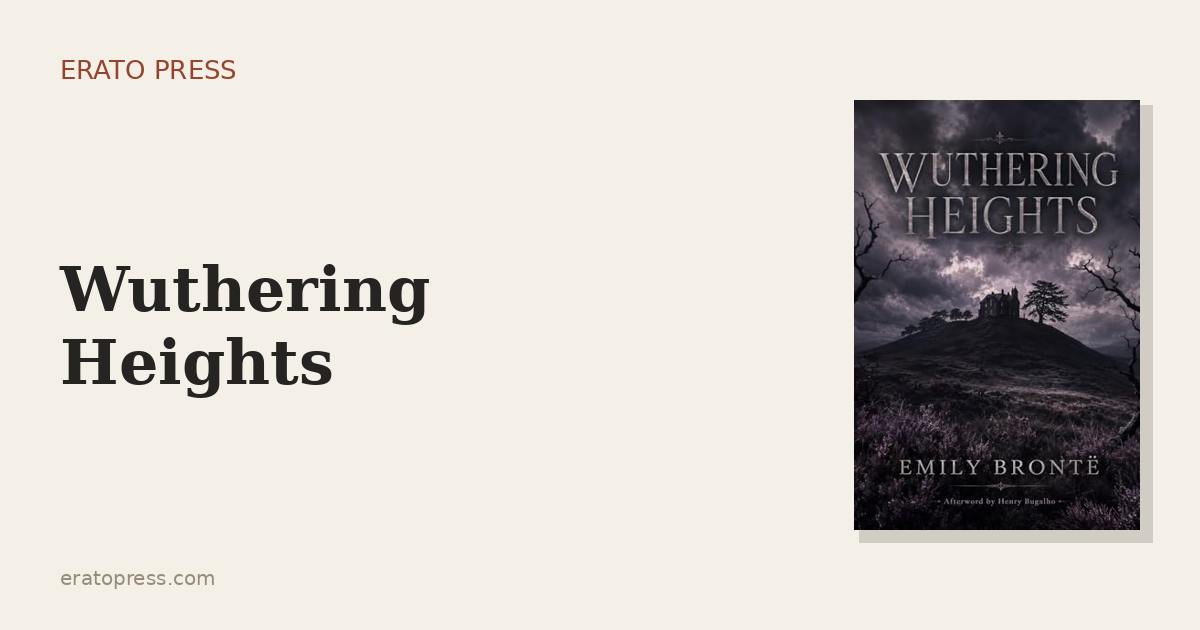
There are two Catherines, and the novel is the second undoing the ruin of the first. On the daring diptych structure of Wuthering Heights.
-
In Defence of Emma, the Unlikable Heroine
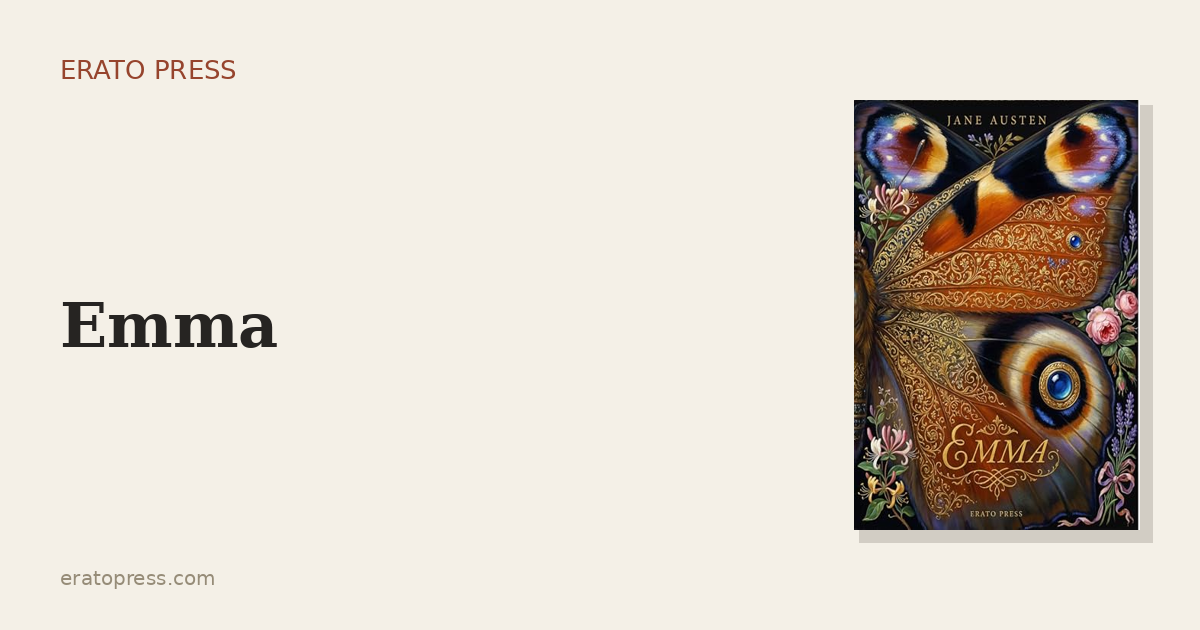
‘A heroine whom no one but myself will much like.’ On Emma Woodhouse — spoiled, wrong, and the reason likability is cheap and growth is not.
-
The Scarlet Letter: One Symbol, Many Meanings
A red letter meant to shame becomes, by force of character, a mark of distinction. On The Scarlet Letter and a symbol its own town could not control.
-
Milton’s God Problem
Milton set out to justify God and created the greatest villain in English poetry. On the Satan problem, Blake’s ‘Devil’s party,’ and the trap Paradise Lost sets.
-
Paradiso: The Hardest, Highest Part of Dante
Everyone reads the Inferno; almost no one finishes Paradiso. On the hardest, highest part of Dante — where language itself begins to fail, on purpose.
-
Journaling with Marcus Aurelius
The most famous book of Stoicism was never meant to be read — it’s an emperor’s private diary. On the Meditations as the original self-examination journal.
-
Hector: The Better Man of the Iliad
The Iliad belongs to Achilles, but the man who breaks your heart is on the losing side. On Hector, the better man, and Homer’s astonishing fairness to the enemy.
-
Tess and the Double Standard
Hardy called his seduced, unwed heroine ‘A Pure Woman’ — and declared war on the age. On Tess and the double standard that destroys her.