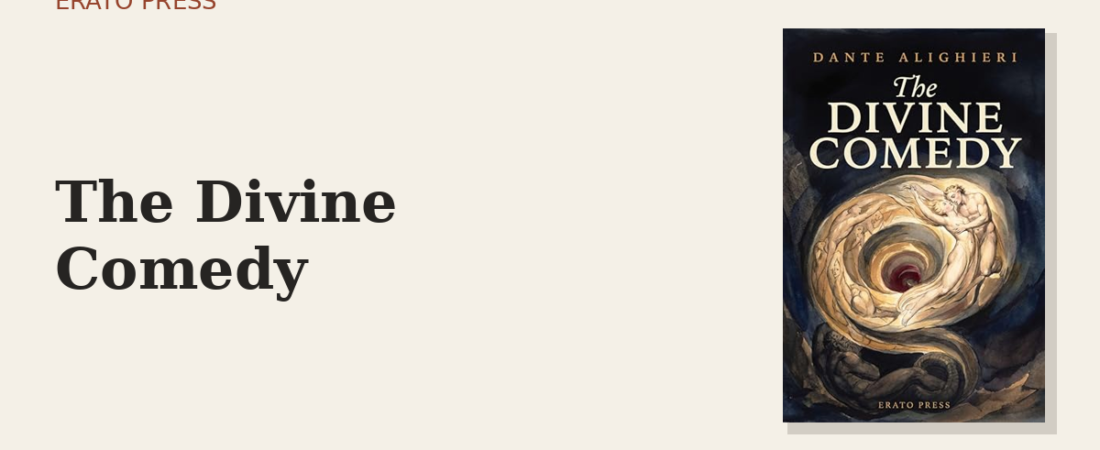

Everyone reads the Inferno. The tortures are vivid, the sinners gossip, the Devil is frozen in a lake — Hell, as Dante knew, makes wonderful copy. Far fewer readers go on to Purgatorio, and fewer still finish the Paradiso. Which is a pity, because Heaven is where Dante attempts the impossible, and nearly pulls it off.
The problem is ancient: misery is easy to describe and bliss is not. Suffering has variety — every sin its own punishment — but joy threatens to be monotonous. Dante’s solution is one of the boldest feats in poetry: he makes the ascent through the spheres of Heaven a journey into pure light and motion, ever brighter, until language itself begins to fail him and he says so, again and again — ‘here my high fantasy lost its power.’ The poem’s greatness is that it shows us a man reaching the edge of what words can hold, and reporting honestly from that edge.
The final vision — the love that moves the sun and the other stars — is the destination the whole hundred cantos were climbing toward. To stop at the Inferno is to read only the descent and miss the point.
See our survey of epic poetry after Homer.
Read The Divine Comedy — the Erato Press edition →
Enjoyed this piece?
Get the next one — our essays on the classics and news of each new Erato Press edition — straight to your inbox.