Latest posts
-
The Secret Garden: The Cure That Was a Garden
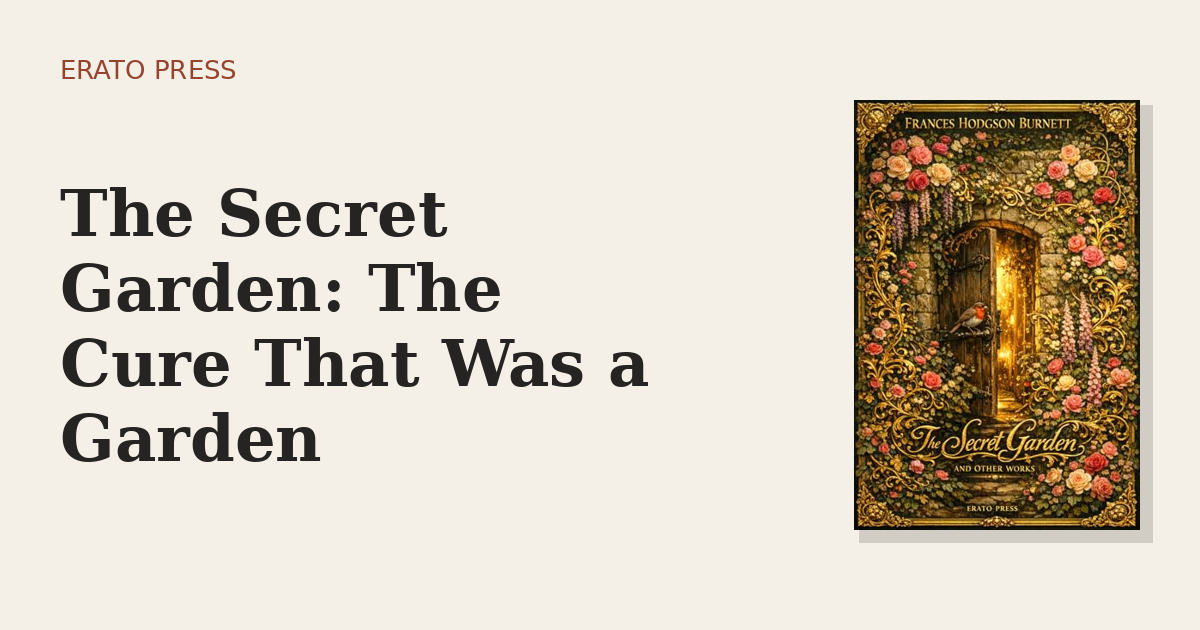
A sour, unloved orphan finds a locked, abandoned garden on the Yorkshire moors — and in bringing it back to life, brings herself and a dying boy back too. Burnett’s classic is a myth of healing.
-
Little Women: The Novel That Refused to Marry Off Its Heroine
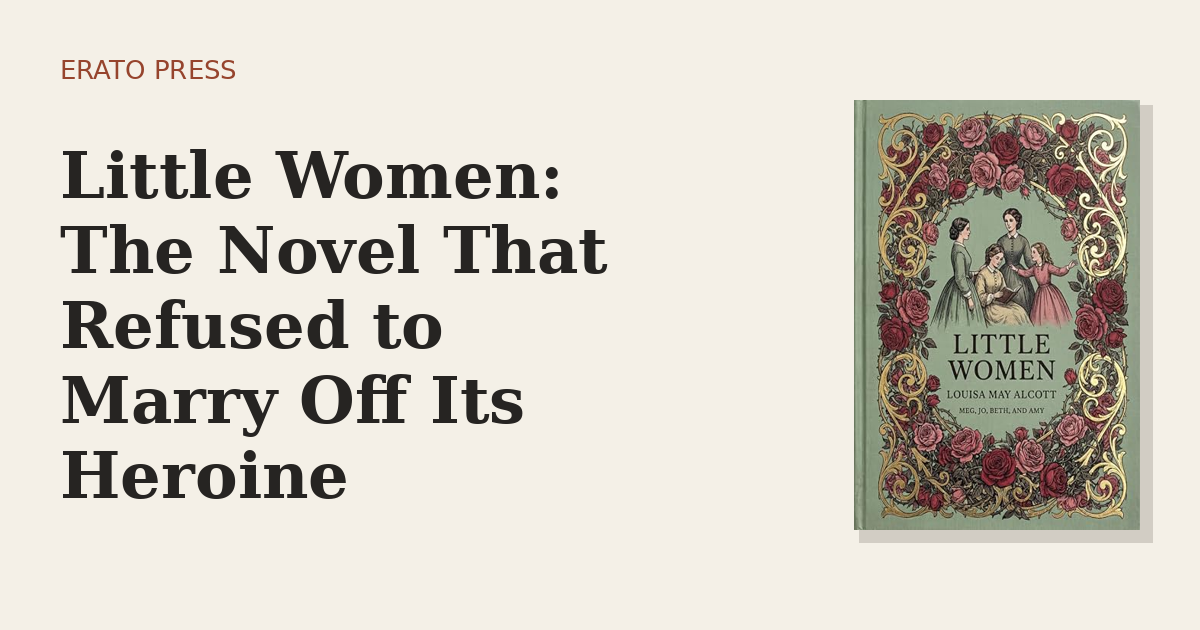
Four sisters grow up in Civil War New England, and one of them wants to be a writer instead of a wife. Louisa May Alcott’s beloved classic is quietly one of the most radical novels of its century.
-
North and South: Love Across the Class Divide
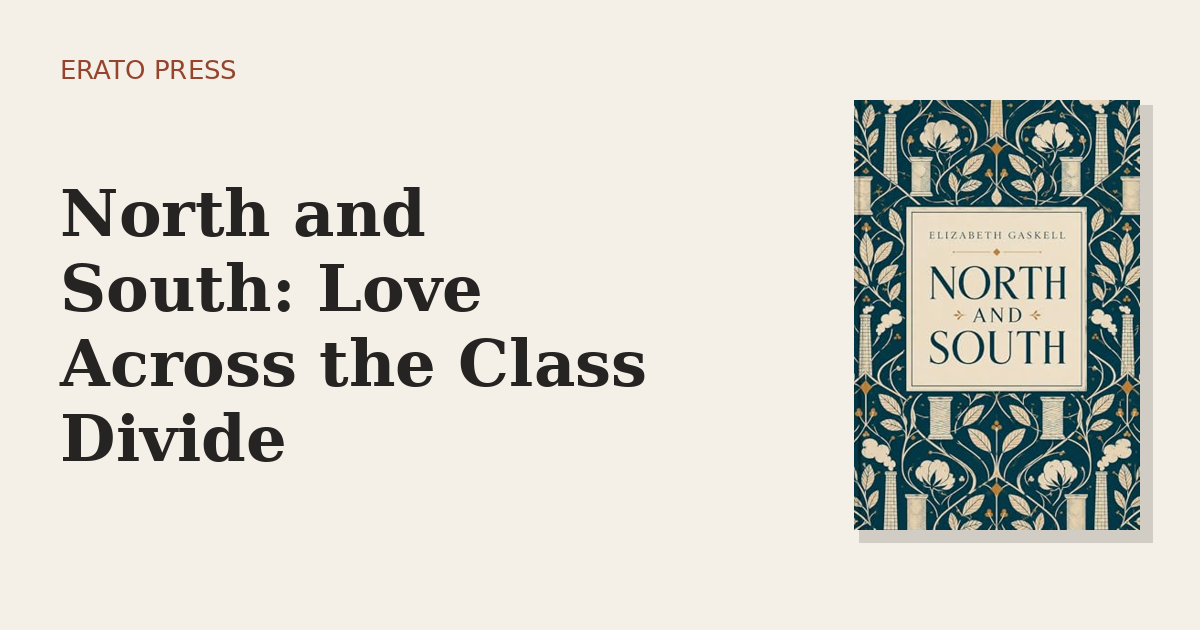
A southern clergyman’s daughter moves to a grim northern mill town, clashes with a self-made factory master, and Elizabeth Gaskell turns their antagonism into the great Victorian novel of industrial England.
-
Mansfield Park: Austen’s Most Difficult, Most Daring Novel
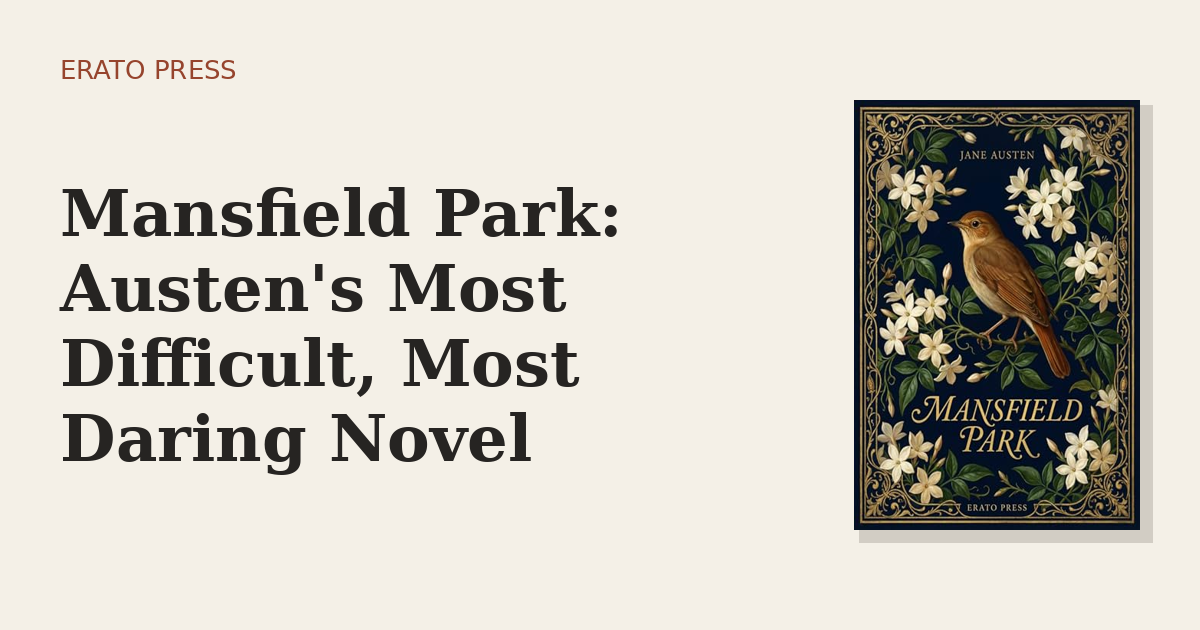
Its heroine is poor, shy, and morally unbending; its subject is corruption, and the money behind the great house comes from slavery. Mansfield Park is the Austen novel that refuses to charm — and rewards the reader who stays.
-
Sense and Sensibility: Austen’s First Battle of Head and Heart
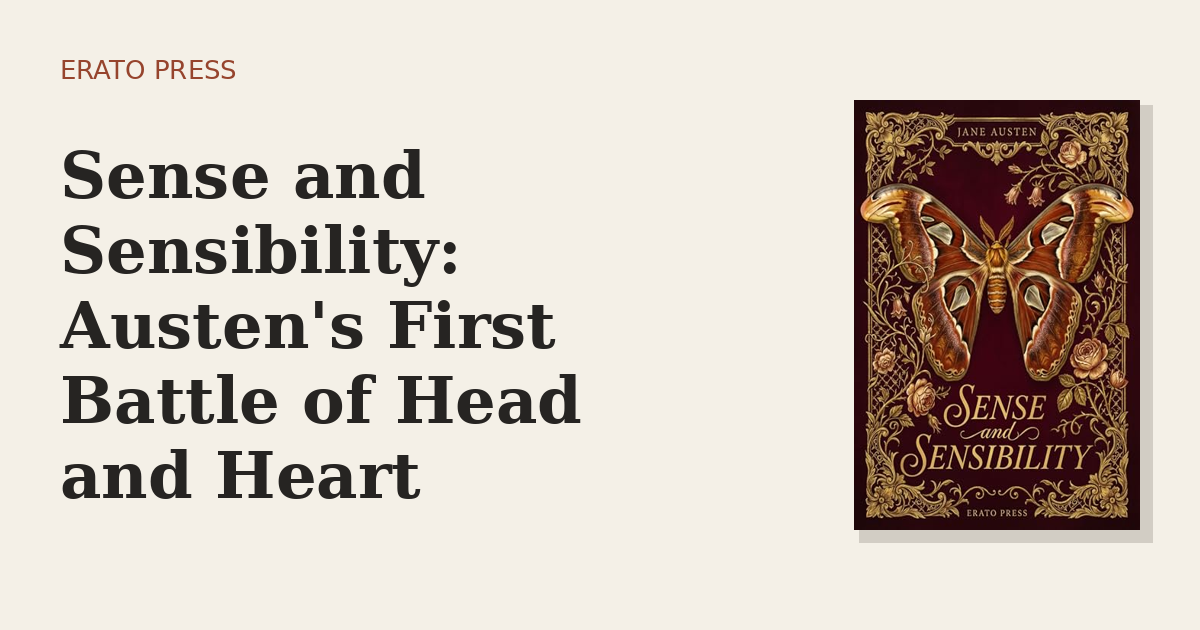
Two sisters — one all self-command, one all feeling — love and are disappointed, and Jane Austen’s first published novel asks which way of meeting the world will survive it.
-
Twenty Thousand Leagues Under the Seas: Verne and the Dream of the Deep
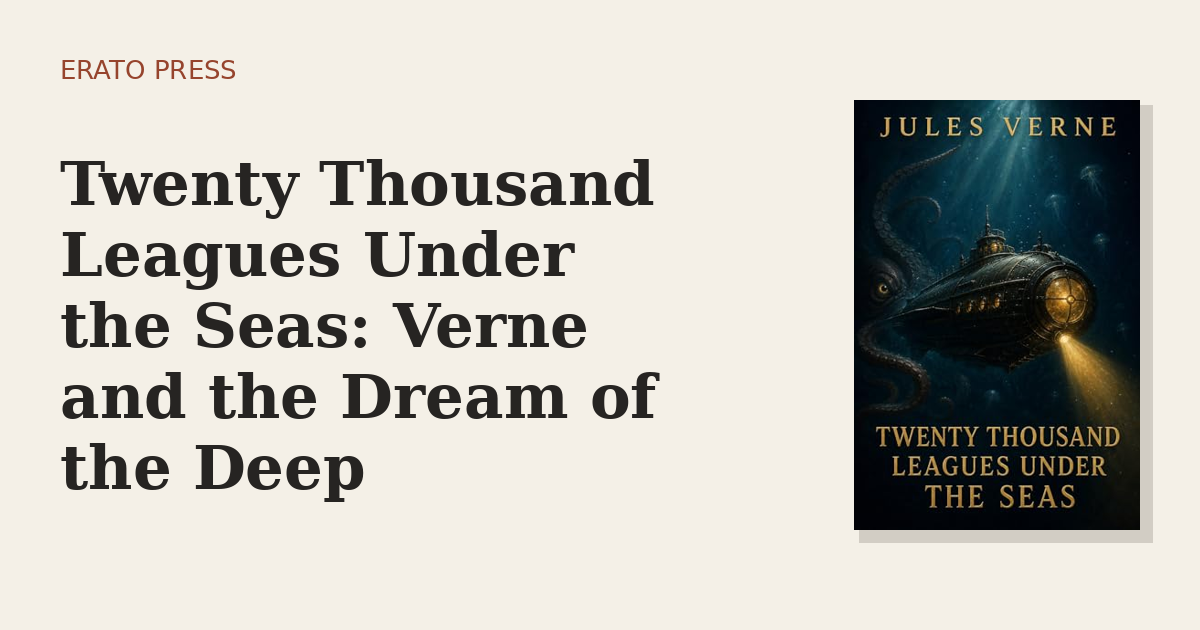
A mysterious captain in a submarine that shouldn’t exist takes three captives on a tour of the ocean floor — and Jules Verne, decades ahead of the technology, imagined the modern world.
-
The Sun Also Rises: The Lost Generation and the Art of Saying Less
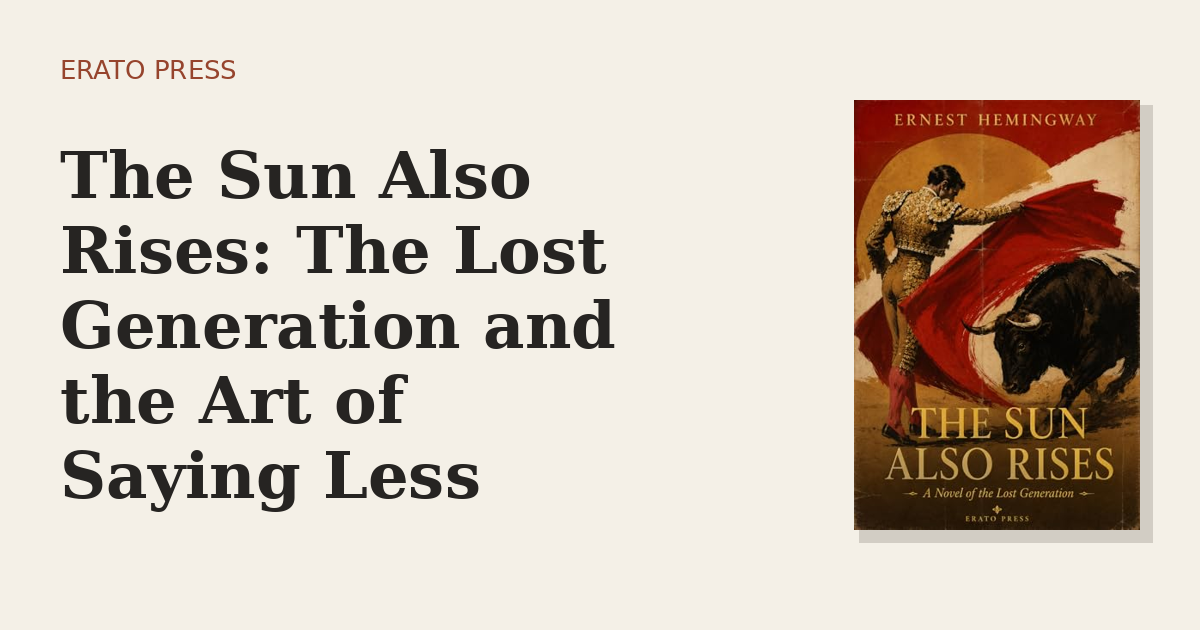
Hemingway’s first novel invented a style and named a generation — a group of expatriates drinking their way across 1920s Europe, wounded by a war they cannot mention.
-
The War of the Worlds: The Night the Martians Came
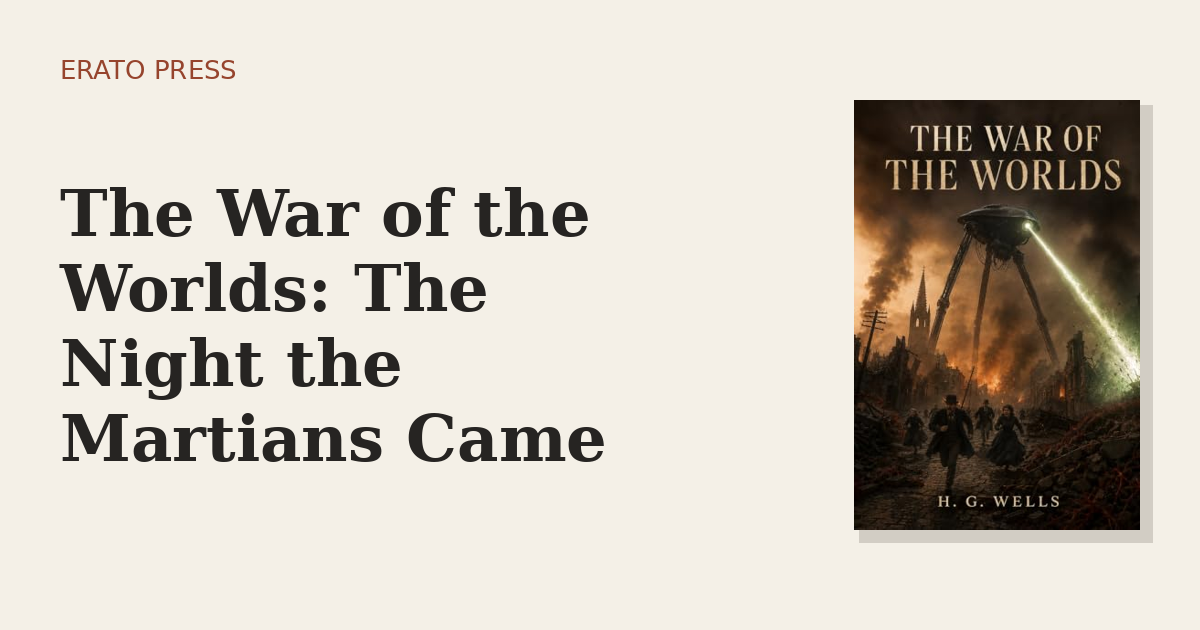
H.G. Wells imagined England conquered by Martians and, in doing so, invented alien invasion — and turned the telescope of empire back on the empire itself.
-
Buddenbrooks: The Fall of a Family, the Birth of a Genius
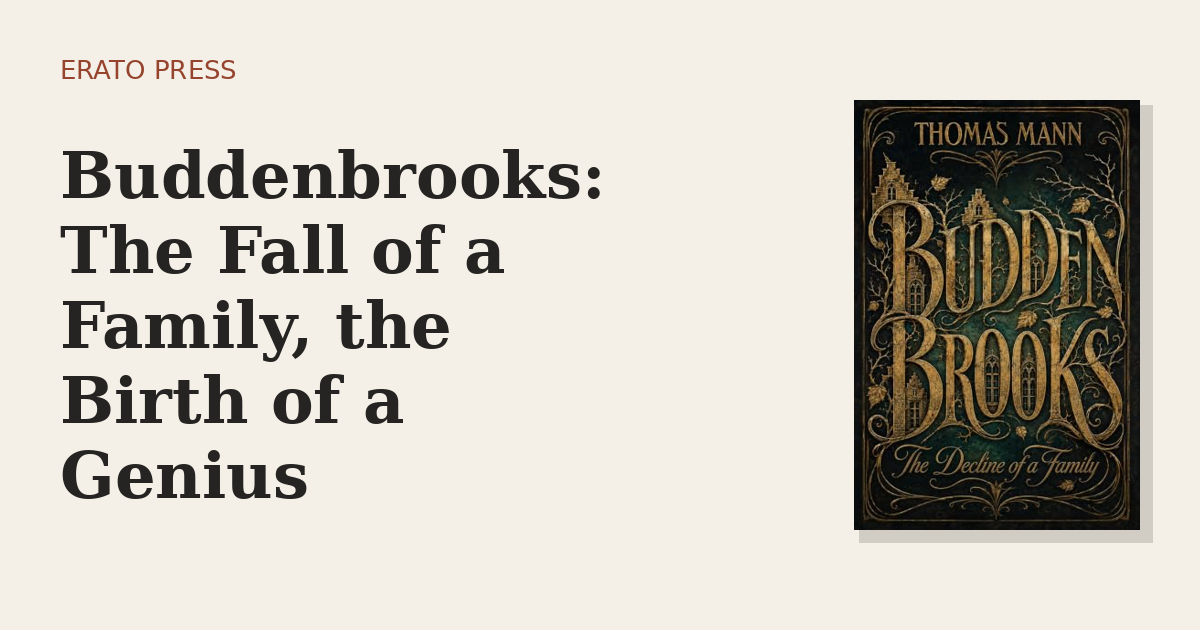
Thomas Mann was twenty-five when he published the novel that would win him the Nobel Prize — the story of a great merchant family declining over four generations as it grows too refined to survive.
-
Orlando: The Novel That Changes Sex and Outlives Everyone
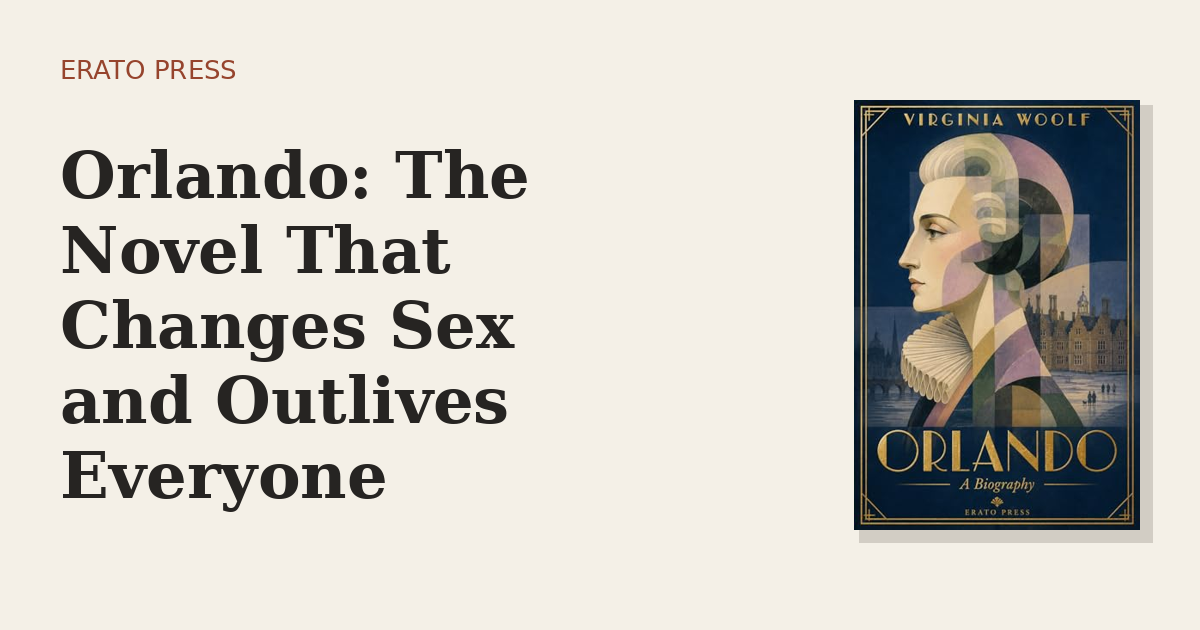
A young nobleman lives for four centuries, changes from man to woman halfway through, and barely notices. Woolf’s most playful book is also her most radical — a love letter, a joke, and a revolution.