Latest posts
-
Scheherazade: The Woman Who Told Stories to Survive

The Erato Press edition The frame story is easy to forget once the genies and flying carpets take over, but it’s the darkest premise in world literature: a king, betrayed by his first wife, marries a new bride every night and has her executed at dawn, until Scheherazade volunteers herself and begins a story so…
-
The Works of Alexander Hamilton: The Man Behind the Money
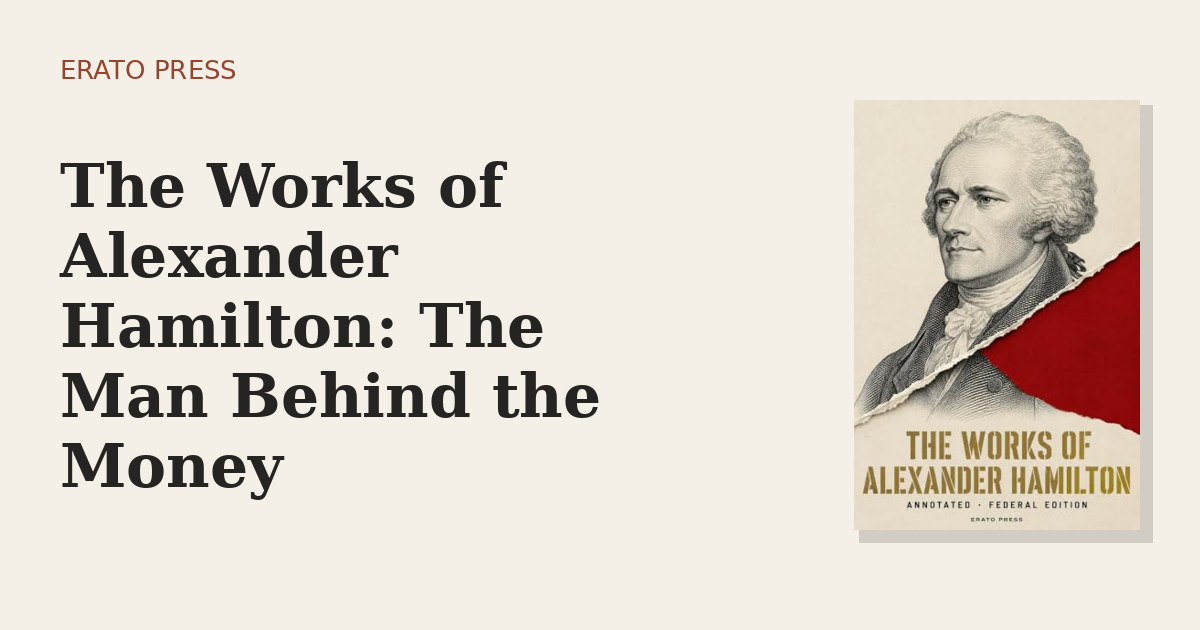
The Erato Press edition Hamilton wrote fifty-one of the eighty-five Federalist essays, more than Madison and Jay combined, and then went on to personally design the institutions the essays had only argued for in the abstract: a national bank, a funded federal debt, a treasury with real teeth. Reading his complete papers makes clear how…
-
The Essential Father Brown: Chesterton’s Answer to Sherlock Holmes
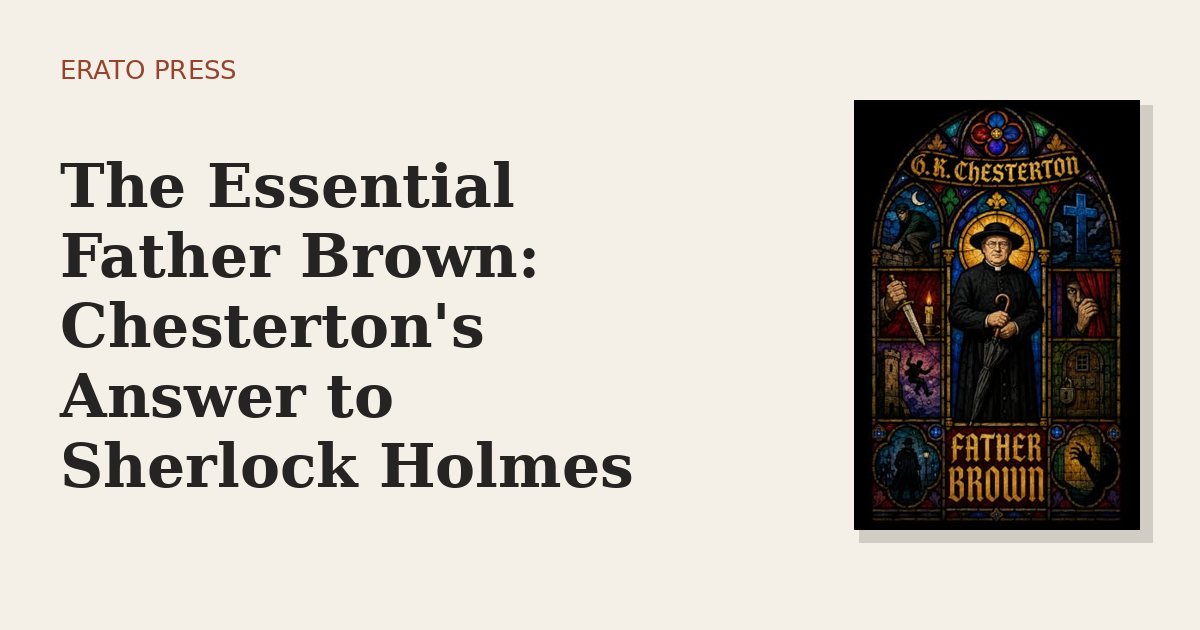
The Erato Press edition Chesterton built his detective as a deliberate rebuke to Holmes’s method. Father Brown is a small, unremarkable Catholic priest who solves crimes not through forensic observation but through an intimate, professional knowledge of sin — he has heard every variety of it in confession, and so recognizes a murderer’s psychology the…
-
Gilbert Blythe: Anne of Green Gables’ Best-Written Love Story
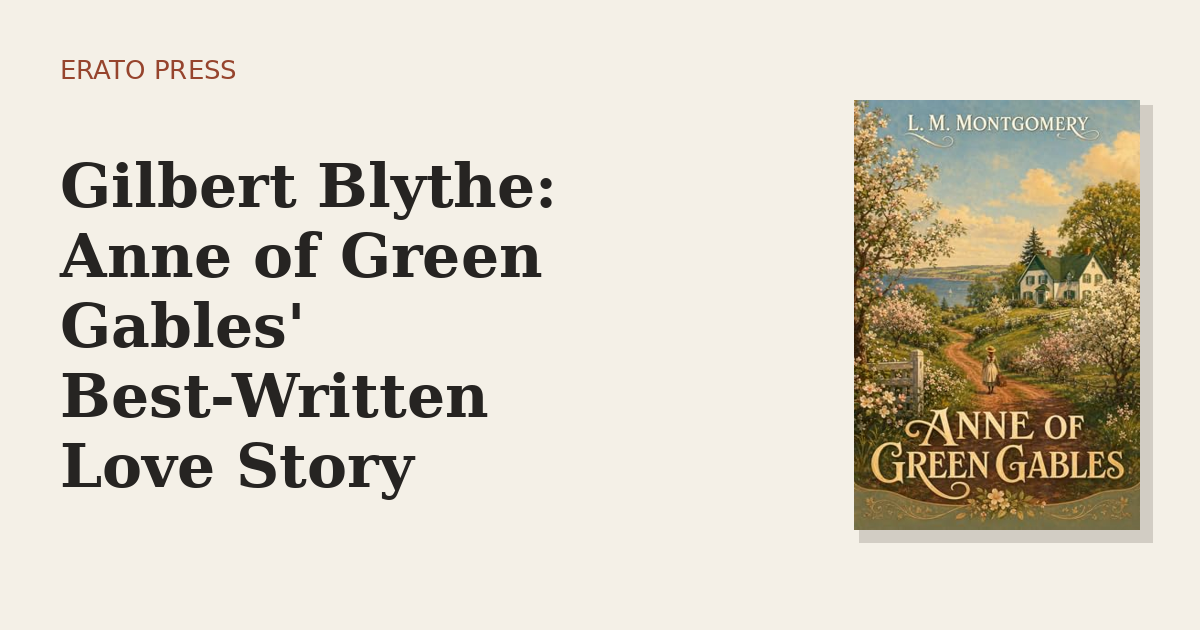
The Erato Press edition Gilbert Blythe’s first move, famously, is to pull Anne’s red hair and call her ‘Carrots’ — and Anne, who has spent her whole short life being unwanted, responds by refusing to speak to him for years, over a single public embarrassment. It’s a small scene that Montgomery uses to define both…
-
The Mystery of Edwin Drood: Dickens’s Unsolved Case
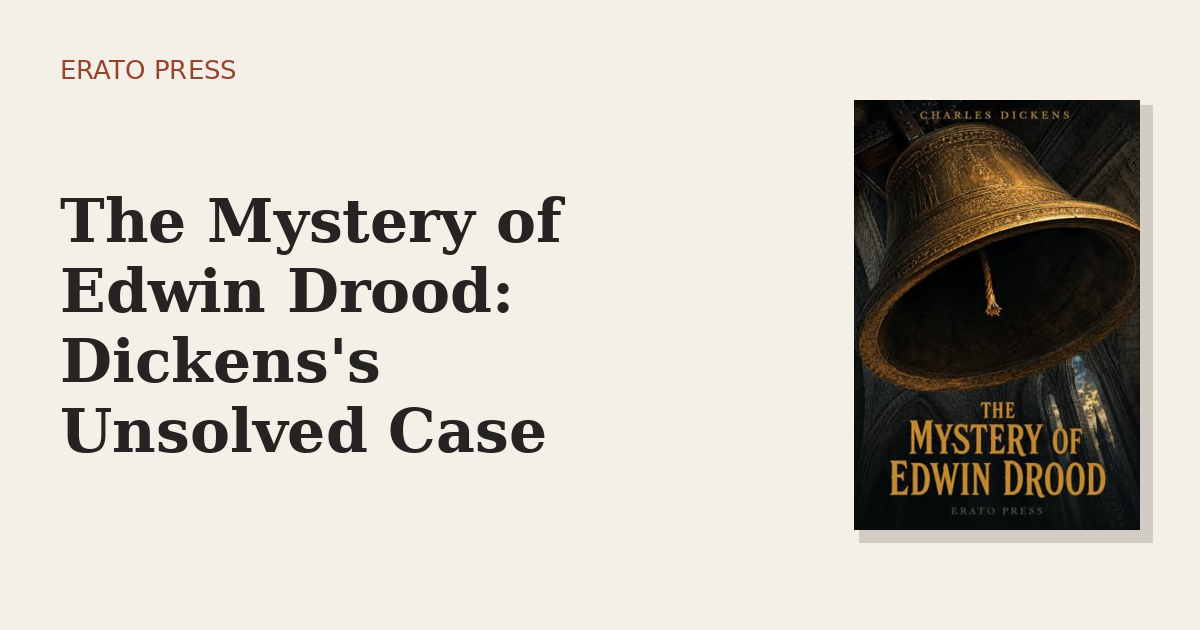
The Erato Press edition Dickens died at his writing desk in June 1870, halfway through the serialized publication of his final novel, and took the solution to its central murder mystery with him. Edwin Drood stops mid-plot, mid-suspicion, with an opium-addicted choirmaster who almost certainly killed his own nephew — and a hundred and fifty…
-
Benjamin Franklin: The Complete Works of America’s Most Reinvented Man
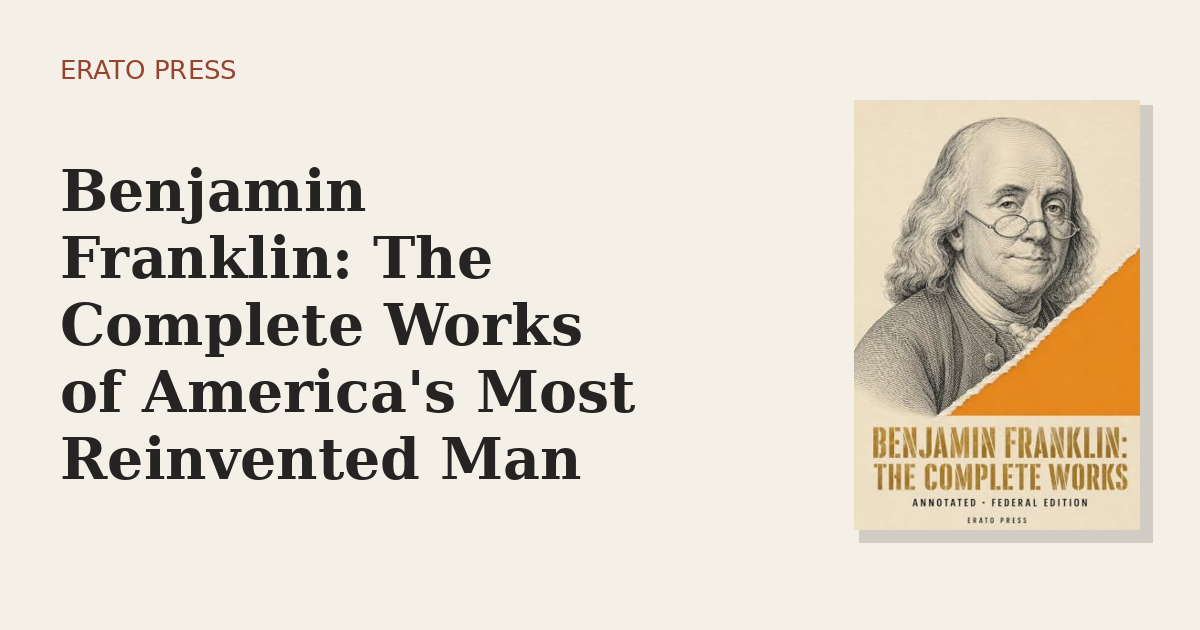
The Erato Press edition Franklin’s Autobiography is one of the most carefully constructed self-portraits in American letters — a runaway printer’s apprentice turning himself, chapter by chapter, into a scientist, diplomat, and sage, complete with a famous chart of thirteen virtues he tracked his own daily failures against. It’s charming, funny, and, historians generally agree,…
-
Sinbad the Sailor: The Arabian Nights’ Restless Adventurer
The Erato Press edition Sinbad is rich, comfortable, and, by his own account, bored — so at the start of each voyage he sails off again anyway, straight into rocs and cyclopes and valleys of diamonds guarded by serpents, and comes home each time swearing it was his last trip. It never is. Of all…
-
Antigone: Sophocles and the Law Above the Law
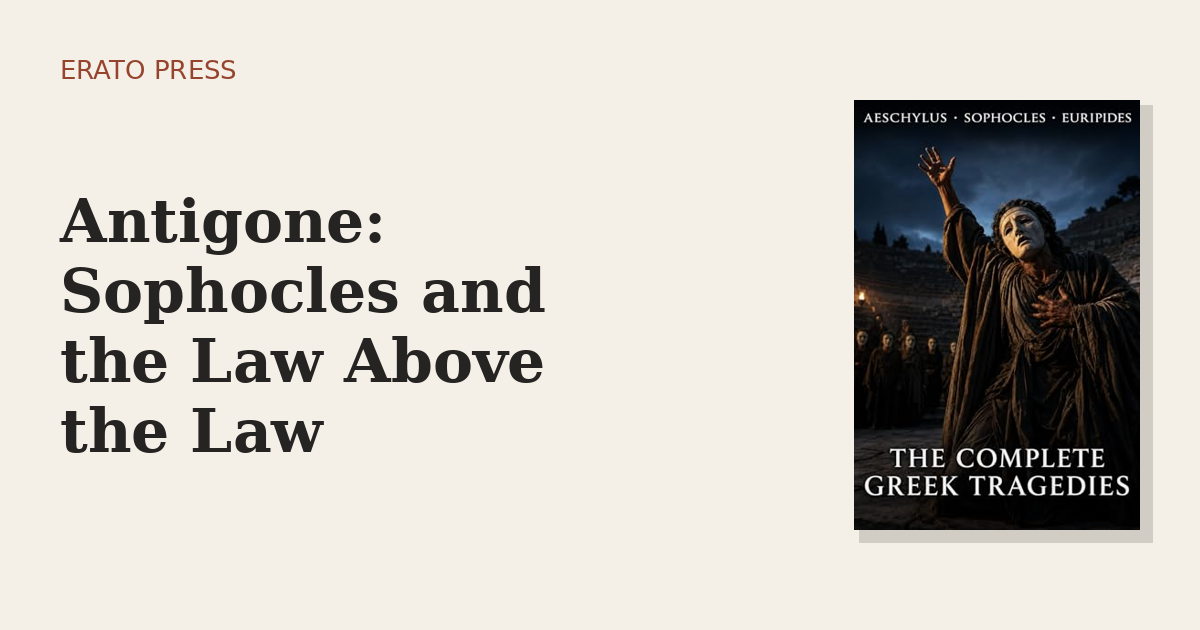
The Erato Press edition Creon issues an edict: the traitor’s body stays unburied, food for dogs and birds, as a lesson to the city. Antigone buries her brother anyway, knowing it means her own execution, because she believes an unwritten, older law — the duty owed to the dead — outranks any decree a living…
-
The Monk: The Gothic Novel That Scandalized 1796
The Erato Press edition Matthew Gregory Lewis was nineteen when he wrote The Monk, and it made him instantly, controversially famous: a bestseller so full of seduction, incest, torture, and a demon in the form of a beautiful woman that critics demanded it be prosecuted, and Lewis quietly revised later editions to soften what he’d…
-
George Washington: The Complete Writings of a Man Who Refused a Crown
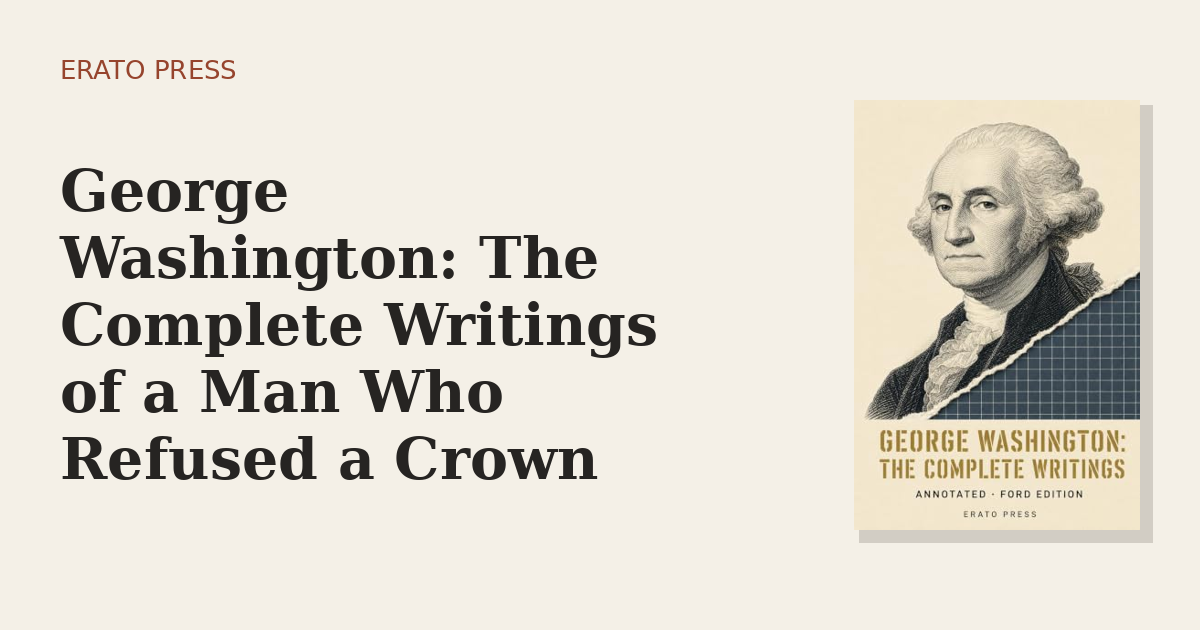
The Erato Press edition Washington’s officers, unpaid and furious after the Revolutionary War, seriously discussed making him king, or at least military dictator. His written response — recorded in the letters and orders gathered here — is one of the most consequential refusals in political history, and it’s worth reading in his own halting, unliterary…