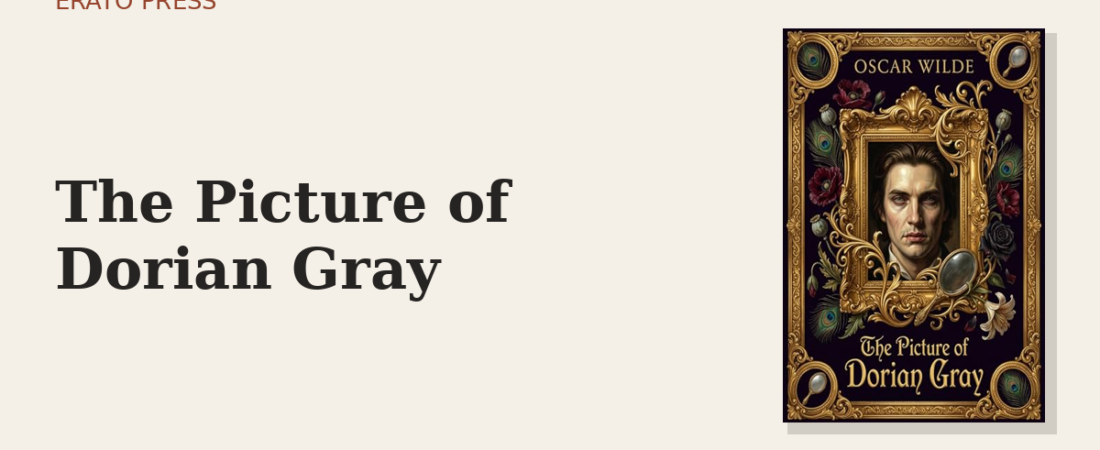

We have told the story of the scandal around Wilde’s only novel. Return to it now for the idea at its heart, which is one of the most haunting in literature: a man whose portrait ages and corrupts while he stays young and beautiful — the soul made visible, hidden in an attic, keeping the terrible accounts the face refuses to show.
Dorian Gray gets the wish we all half-make: to sin without paying, to stay lovely while the damage goes somewhere else. And Wilde, the great apostle of surface and style, wrote the most severe moral fable of the age almost against his will. Every cruelty, every corruption, is recorded — not on Dorian’s flawless skin, but on the canvas rotting in the dark. The bill always comes; it is only deferred.
What makes the novel modern is that it is really about images and the self — about the gap between the face we show and the person we are becoming, a gap that has only widened in an age of curated surfaces. Dorian in front of his portrait is every one of us before the record of what we would rather not see.
Read it with the Decadents and art for art’s sake.
Read The Picture of Dorian Gray — the Erato Press edition →
Enjoyed this piece?
Get the next one — our essays on the classics and news of each new Erato Press edition — straight to your inbox.