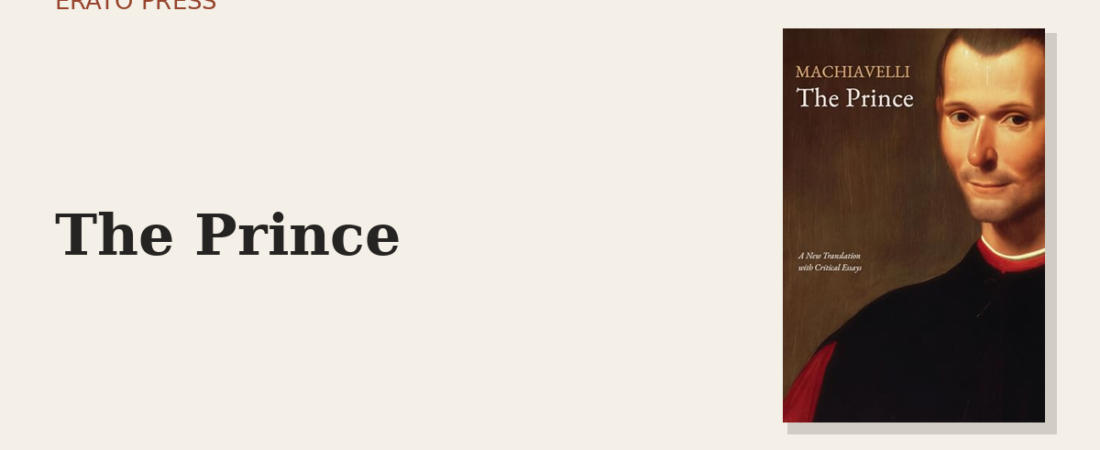

His name became an adjective for cold, scheming cruelty — ‘Machiavellian.’ It is one of history’s great injustices, because Niccolò Machiavelli was not a monster but a patriot and a failure, and The Prince is a stranger, sadder book than its reputation.
Machiavelli was a diplomat of the Florentine republic who was tortured and exiled when it fell. The Prince was written in that exile, in part as a desperate job application to the very rulers who had ruined him. Its scandal was simply to describe politics as it actually is rather than as preachers said it should be: that a ruler who wishes to survive among ruthless men cannot afford to be good all the time; that it is safer to be feared than loved; that the results are what history judges. He did not invent this behaviour. He committed the unforgivable sin of writing it down.
Read him now and you find not a villain but a clear-eyed analyst of power, the founder of political science, a man who loved his broken country and wanted, above all, to see it freed from the foreigners tearing it apart. The final chapter is not cynical at all; it is a cry of patriotic hope.
For the ancient statesmen he studied, see Plutarch’s Lives.
Read The Prince — the Erato Press edition →
Enjoyed this piece?
Get the next one — our essays on the classics and news of each new Erato Press edition — straight to your inbox.