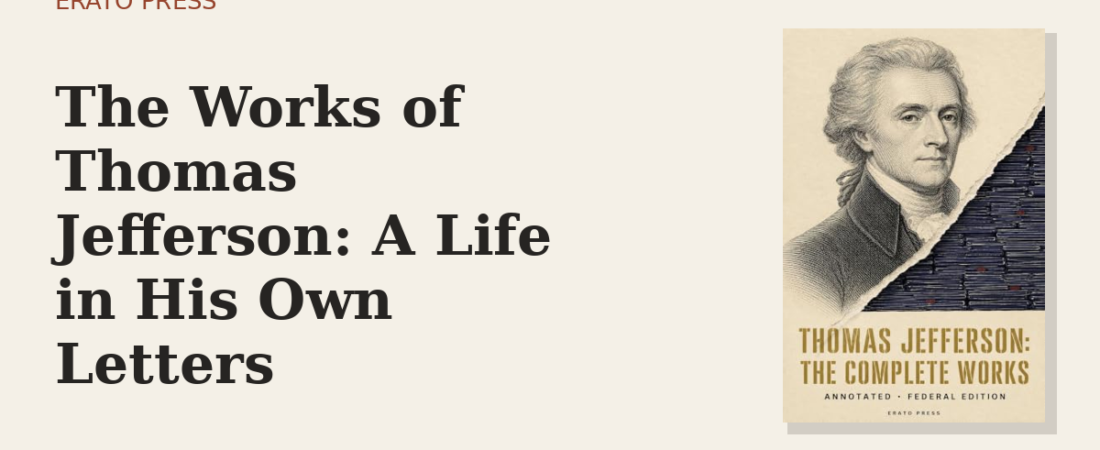

Jefferson wrote an estimated nineteen thousand letters in his lifetime, and reading even a fraction of them is a better introduction to the man than any single biography, because he contradicts himself in his own hand — the theorist of liberty who enslaved people until his death, the architect of religious freedom who ran for office on suspicion of atheism, the retiring philosopher who was, privately, one of the most ambitious political operators of his generation.
The Federal Edition gathered here doesn’t resolve the contradictions; it preserves them, letter after letter, so the reader has to hold the coexistence of Monticello’s library and its slave quarters in the same mind, at the same time, the way the historical record actually demands.
Read against The Federalist Papers, which Jefferson had no hand in writing, his letters show the argument from the other founding faction — the one that trusted the states, and distrusted Hamilton’s federal machine, right from the start.
Read The Works of Thomas Jefferson →
Enjoyed this piece?
Get the next one — our essays on the classics and news of each new Erato Press edition — straight to your inbox.