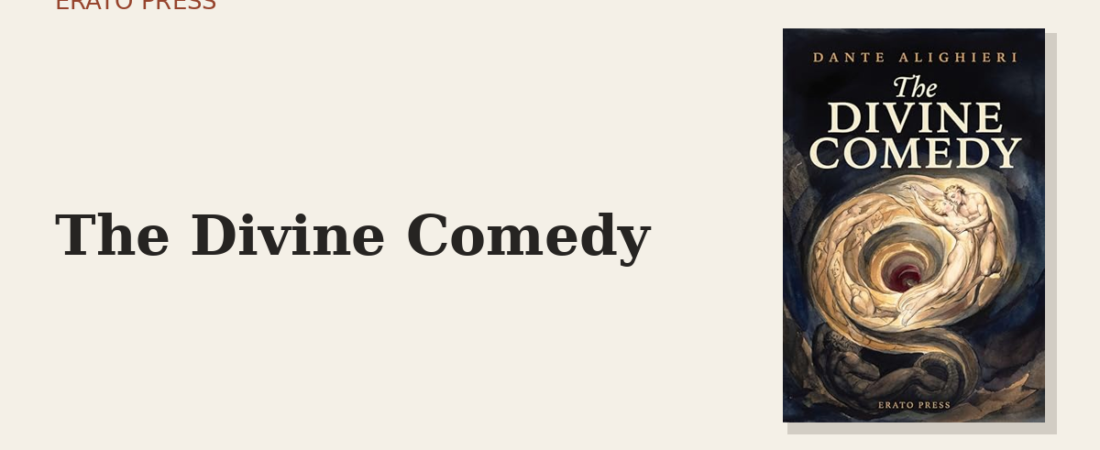

Readers rush through the Inferno and, if they are patient, reach for the blinding light of the Paradiso. In between lies the part almost everyone skips — the Purgatorio — and it is, quietly, the most human and the most hopeful book of the whole Divine Comedy.
Hell is eternal and static: the damned are fixed forever in what they chose. Heaven is perfect and beyond change. But Purgatory is the only realm in Dante’s cosmos where time still matters, where souls are climbing, struggling, getting better — where change is still possible. It is the realm of hope, of effort, of the long hard work of becoming who you should have been. Of the three, it is the one that looks most like our own life.
On its terraces the proud walk bent under stones, the envious have their eyes sewn shut, the gluttonous starve among fruit they cannot reach — not tortured, but cured, each sin unlearned by its opposite discipline. And at the summit, in the earthly paradise, Dante meets the lost Beatrice again in the most emotionally overwhelming scene in the poem: a reunion, a reproach, and a forgiveness. Skip the Purgatorio and you miss the beating heart of the Comedy.
This edition presents all three realms complete.
Read The Divine Comedy — the Erato Press edition →
Enjoyed this piece?
Get the next one — our essays on the classics and news of each new Erato Press edition — straight to your inbox.