
The novel shows you a whole life; the short story shows you a single lit window, at night, in passing — one glimpse that somehow contains everything. It is the hardest form to master and the most modern, and it was essentially invented, twice, by two very different men.
Edgar Allan Poe built the machine. He theorized that a tale should aim at a single, unified effect and waste not a word that does not serve it — the story as a device engineered for one precise detonation of feeling, whether terror or grief. The plotted, crafted short story, with its twist and its unity, is his.
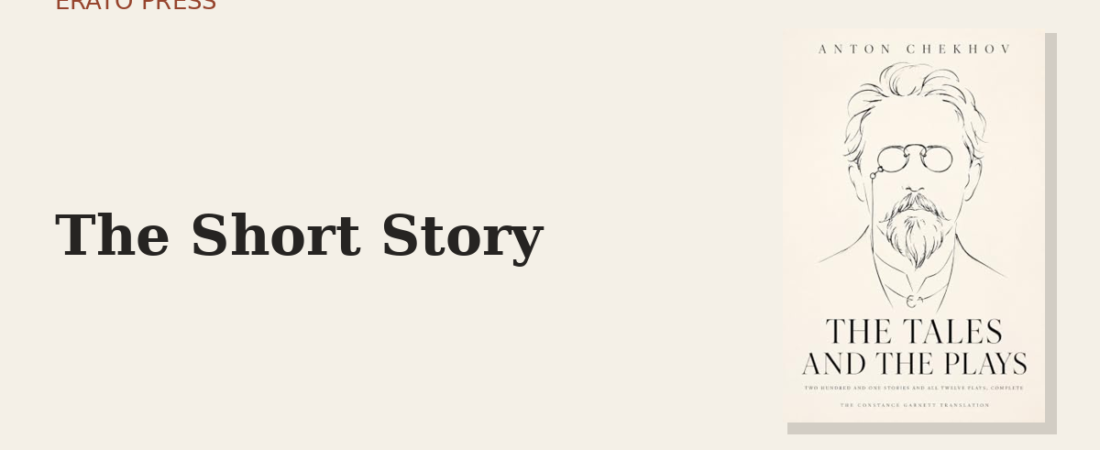
Chekhov then broke the machine and made something truer. He removed the plot, the twist, the tidy ending, and left only life — a mood, a missed connection, an ordinary afternoon that quietly breaks your heart. The modern ‘literary’ short story, all atmosphere and implication, is his.
Between the two of them — Poe’s design and Chekhov’s honesty — sits everything the form can do, from the ghost story to Joyce’s ‘The Dead’. To learn how a story works, read these two masters against each other.
Erato Press publishes both, complete. Start with a Chekhov tonight.
Read Anton Chekhov: The Tales and the Plays →
Enjoyed this piece?
Get the next one — our essays on the classics and news of each new Erato Press edition — straight to your inbox.