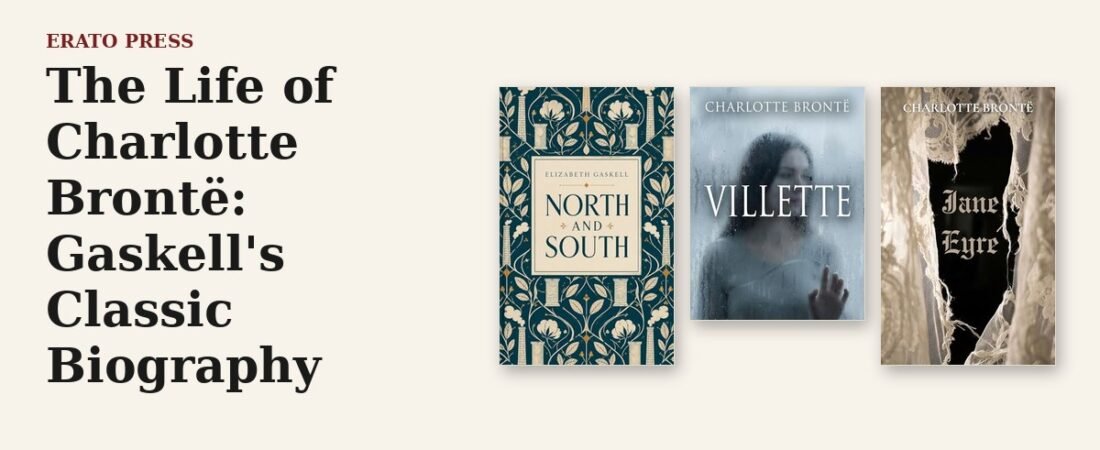
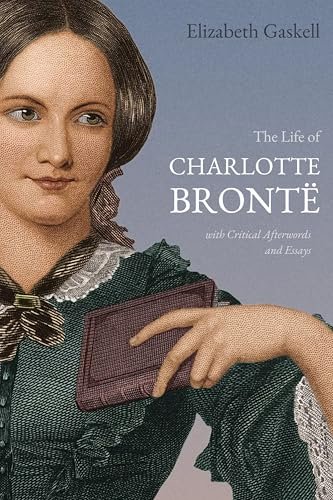
Short answer: Elizabeth Gaskell’s The Life of Charlotte Brontë (1857) is one of the greatest biographies in English — and the book that created the Brontë legend. Written by a major novelist who was also Charlotte’s friend, it is as gripping as a novel and as responsible as it is romantic for how we still picture the sisters of Haworth. It is also, quietly, an act of myth-management we can now watch being performed.
A novelist writing a life
What makes this biography extraordinary is that it was written by a major novelist about a major novelist she had personally known. Gaskell — herself the author of North and South and other studies of industrial England — brings a storyteller’s eye to Charlotte’s life: the bleak parsonage, the dying siblings, the secret writing under male pseudonyms, the literary fame shadowed by grief. She shapes the material with the narrative power of fiction, so the book reads less like a dutiful record than like one of the tragic novels the Brontës themselves might have written. That is its great strength — and the source of its one great problem, because a novelist’s instincts are also an instinct for shape, for emphasis, for the telling omission.
The making of a myth
Gaskell essentially invented the Brontë myth that persists today: the isolated genius-sisters on the wild moors, scribbling masterpieces in obscurity and dying tragically young. Much of it is true. But Gaskell also shaped it — emphasizing Charlotte’s dutiful suffering and downplaying anything that might scandalize, partly to defend her friend against the critics who had found the novels coarse and “unfeminine.” The portrait she drew was a deliberate answer to those attacks: not a dangerous woman writing improper books, but a saintly daughter and sister bearing an almost unbearable weight of duty and loss. Reading it, you are watching a legend being built, lovingly and on purpose — and that act of construction is part of what makes the book so fascinating.
What it gets right — and what it softens
The biography is a masterpiece of sympathy, but later scholars have noted where Gaskell smoothed the edges. She was discreet about the most painful thing she knew: Charlotte’s passionate, unrequited love for Constantin Heger, the married professor under whom she studied in Brussels — the experience that fed the longing at the heart of Villette. She was protective, too, about the family’s troubles, including the disintegration of the brother, Branwell. Gaskell was writing under real legal and social constraints — she was sued over passages in the first edition and had to revise — and the result is a book that is itself a delicate negotiation between candour and discretion. Knowing this does not diminish it; it makes it richer. You read it on two levels at once: the life it preserves, and the careful, sympathetic intelligence deciding what the public may be told.
Why read it alongside the novels
Because in the Brontës’ case the lives and the work are inseparable, and Gaskell is the indispensable witness — the one biographer who actually knew her subject, walked the parsonage, and kept details no one else could have preserved. Read it after Jane Eyre and Emily’s Wuthering Heights, and the novels deepen; you begin to hear the real grief and isolation behind the fiction. Pair it especially with Charlotte’s own underrated Shirley — the novel she wrote while her brother and both her sisters were dying — for the fullest portrait of her mind under pressure. And if you come to it without yet knowing the family, begin instead with our guide to where to start with the Brontë sisters, then return to Gaskell for the real story behind the legend.
Read Gaskell’s Life of Charlotte Brontë →
Read Charlotte Brontë’s Shirley →
Related reading: The Brontë Sisters: Where to Start · Shirley and the Forgotten Side of Charlotte Brontë · Wuthering Heights: Love, Violence, and Dissolution
This article contains affiliate links; as an Amazon Associate, Erato Press earns from qualifying purchases.
Enjoyed this piece?
Get the next one — our essays on the classics and news of each new Erato Press edition — straight to your inbox.