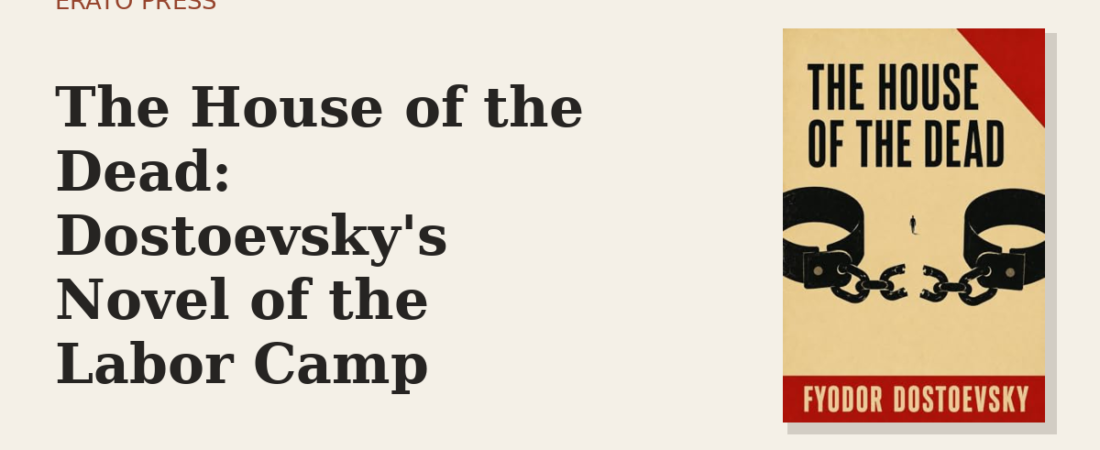

Before he wrote a word of the great novels, Dostoevsky spent four years in a Siberian prison camp — sentenced to death for reading banned political texts, reprieved at the literal last moment in front of a firing squad, and shipped east in chains instead. The House of the Dead is his fictionalized account of that imprisonment, and it is the origin point of nearly everything that makes his later fiction distinct.
It’s not a prison-break narrative or a story of injustice avenged; it’s a patient, almost anthropological account of how several hundred men — murderers and petty thieves and political prisoners thrown together — build a functioning, brutal, occasionally tender society inside a system designed to strip them of one. Tolstoy called it the greatest book of the century.
Every major theme of Crime and Punishment — guilt, suffering as a path rather than a punishment, the redemptive possibility hidden inside degradation — is here first, lived rather than invented.
Enjoyed this piece?
Get the next one — our essays on the classics and news of each new Erato Press edition — straight to your inbox.