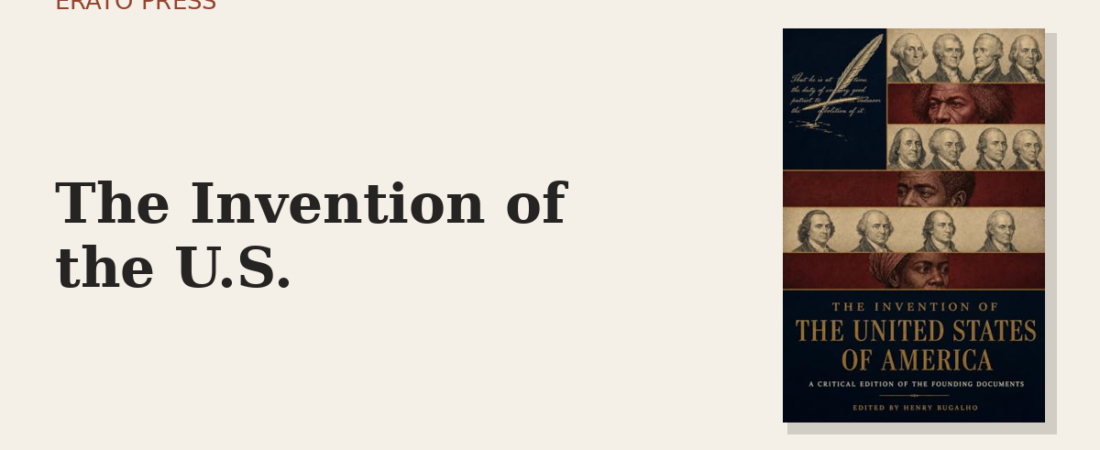

We are taught to read the founding documents of the United States as scripture — the Declaration, the Constitution, handed down whole and perfect. This critical edition does something more interesting and more useful: it reads them as what they actually were — arguments, compromises, and the results of debates the founders often preferred to keep behind closed doors.
Because a country is not discovered; it is invented — written into being by people who disagreed fiercely about what it should be. Behind the ringing phrases were furious quarrels over slavery, over how much democracy the people could be trusted with, over the balance between liberty and order that has never stopped being contested. To read the debates alongside the documents is to see the machine with its cover off — to understand that the Republic was a wager, not a certainty, and that its contradictions were built in from the first day.
It is a companion to the same project we have pursued across the classics: stripping away the myth to recover the human, contingent, argued-over truth beneath. The United States, like every nation, told itself a story about its own origin. This edition asks what the story leaves out.
Assembled and annotated by Henry Bugalho, it gathers the Constitution, the Declaration, and the hidden debates in one critical volume — the founding, with the arguments restored.
Read The Invention of the United States of America →
Enjoyed this piece?
Get the next one — our essays on the classics and news of each new Erato Press edition — straight to your inbox.